
Your trusted source for independent, high-quality, science-based advice
© 2025 Berryworld, All Rights Reserved

We get strawbery plants from all the licensed strawberry propagators for our variety trial. This year, a couple of those propagators also sent along spider mites.
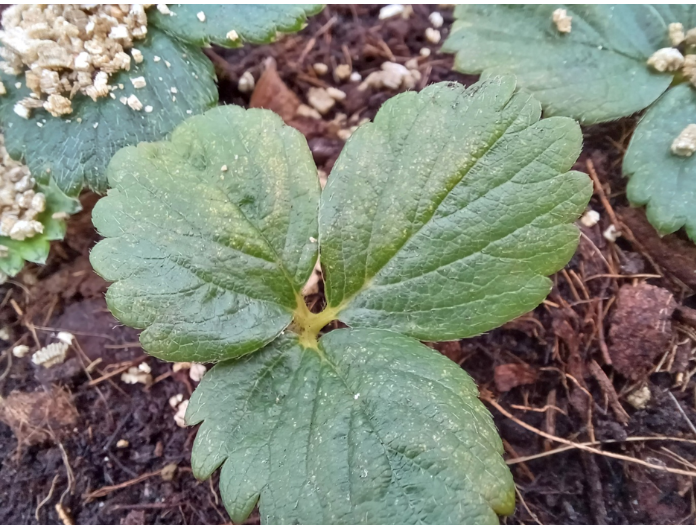
While it is discouraging to start the season with a pest, it also gave us the opportunity to see whether the predator approach would work in the winter.
We planted the trial in an unheated tunnel house in Lincoln at the end of May, then had some absolutely gorgeous weather. However, by the time I had ordered and received the persimilis, we had a wet, cold southerly rolling in. I put the persimilis out in a calm spell the day before the wind really got going (25th June), and figured it’d be a good test of their resilience.
A month later (24th July) I checked under the leaves and was pleasantly surprised to see the classic shiny tear-dropped shaped persimilis, including juveniles, under the leaves. Yes, there are still spider mites, but the cold means the population (of both mites and predators) is growing really slowly.
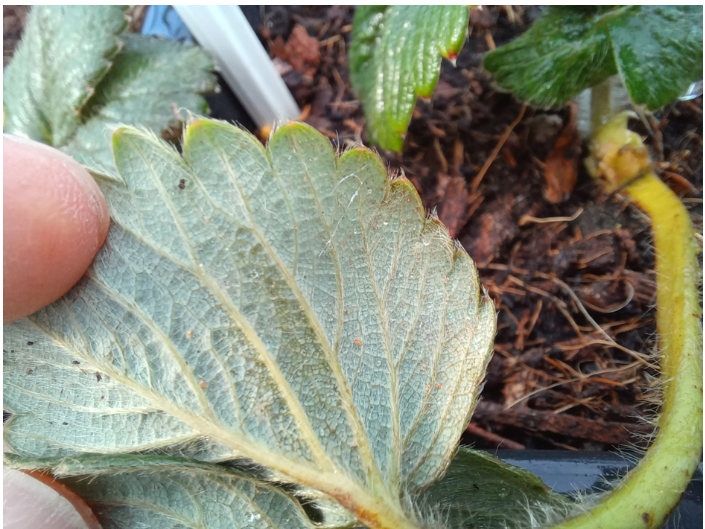
When looking at spider mites in the winter, be aware that they are often in their overwintering orangy-red colour, different than in the summer. With a hand lens, the two side spots on spider mites can still be distinguished, and they are hairier than persimilis. Just seeing an orange mite under the leaf doesn’t indicate persimilis adults as neatly as it does in the summertime.
The reason I favoured the predator approach over the spray approach is that I have no confidence that my sprayer reaches under the leaves. Also, talking to one local grower who does have more confidence that their sprayer gets under-leaf coverage, they have had disappointing results with Apollo and Fenamite this winter. There has been spider mite resistance to both those chemicals known for decades in Australia, and we could easily be facing the same challenge here. As far as I know, NZ hasn’t done systematic screening tests to check for resistance to common miticides in the two spot spider mite population.
We don’t have a good history of chemical use in NZ strawberries like we have in other crops, but Geoff mentioned that Apollo use goes back at least 20 years so resistance in spider mites is likely. Mites are moved around with plants so resistance won’t be confined to a single district. Also note: Apollo is not an effective choice for tarsonemid mites such as cyclamen mites.
If you want to prevent a mite population, get on to it early with predators!