
Your trusted source for independent, high-quality, science-based advice
© 2025 Berryworld, All Rights Reserved

Some really valid questions around how to use pollinator-friendly insecticides came up last season.
In blackcurrants, the main question comes up with Transform (sulfoxaflor) applications near the end of bloom. In some years, aphid damage starts showing up while plants are still flowering and bees are still working in the fields.
The USA EPA did a review of sulfoxaflor, including pollinator safety, and their guidance, based on reviewing over a dozen studies looking at the chemical’s effect on bee colonies, is informative.
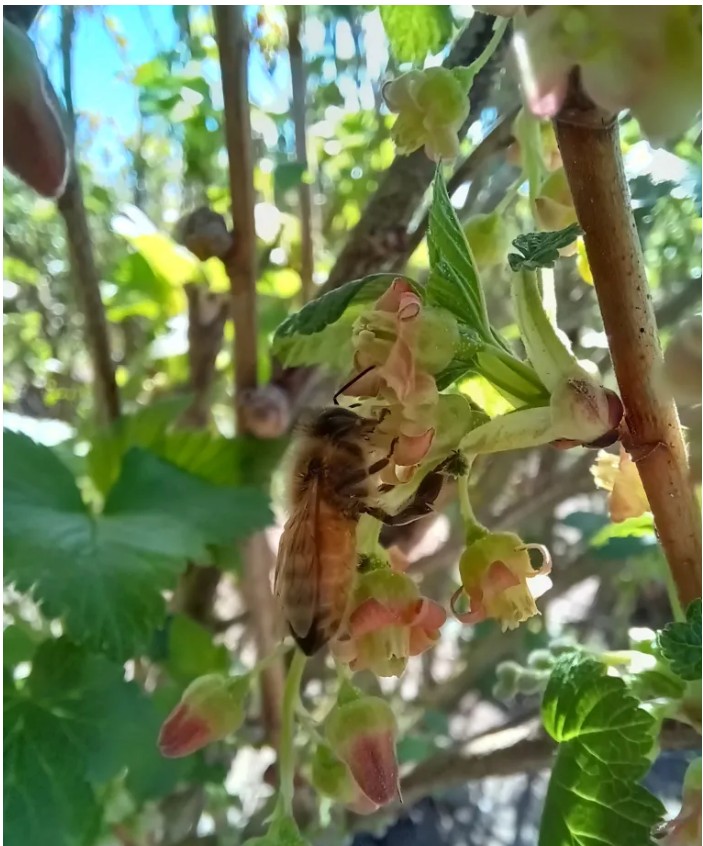
Pollinator Protection
Sulfoxaflor is “highly toxic to bees and other pollinating insects exposed to direct treatment or to residues in/on blooming crops or weeds.”
However, this acute toxicity is short lived—less than three hours. Basically, if the pesticide has a chance to dry on the plant before a bee visits it, it isn’t nearly as toxic as a fresh spray.
Therefore, the recommendation is to “limit application to times when managed bees and native pollinators are least active, e.g., 2 hours prior to sunset or when the temperature is below 50°F (10°C) at the site of application.”